
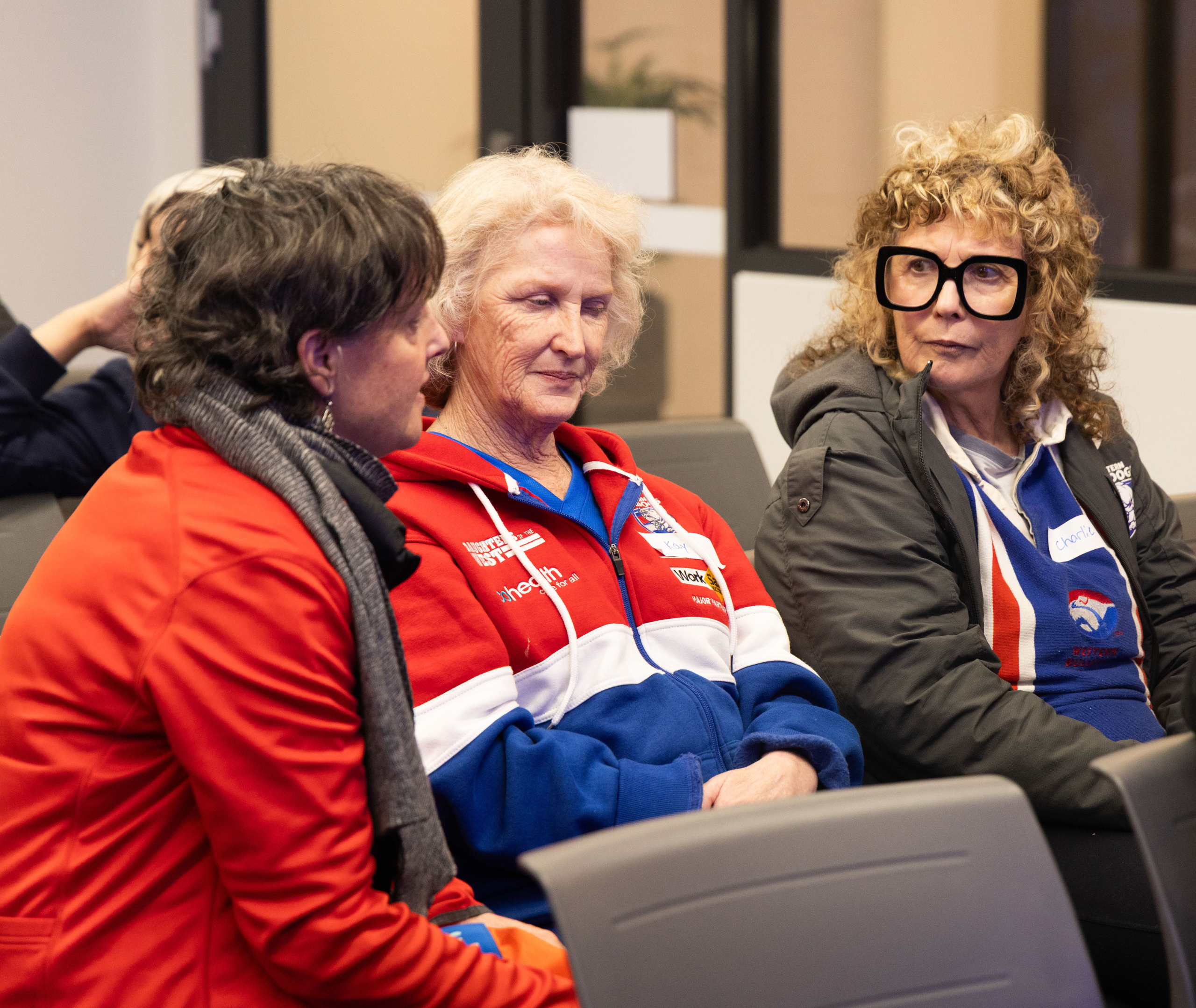
In 2025, Get Skilled Access (GSA) partnered with the Western Bulldogs Community Foundation (WBCF) to deliver disability awareness education through Welcome Round education sessions – a core social inclusion topic within the WBCF’s Sons of the West (SOTW) and Daughters of the West (DOTW) programs.
These free 10-week health and wellbeing programs, support adults aged 18+ across Melbourne’s west, offering weekly sessions focused on practical learnings, social connection, mental fitness, and physical activity. Together, they reached 704 people across the west in 2025, 304 Sons and 400 Daughters participants – creating inclusive spaces for growth, connection, and community-led learning.
GSA was invited to deliver tailored disability awareness training focused on inclusion, access, and understanding disability. The sessions were part of a broader effort to embed more inclusive thinking and respectful conversations into these community-based health programs which champions creating safe, welcoming and empowering spaces for their participants across the west.
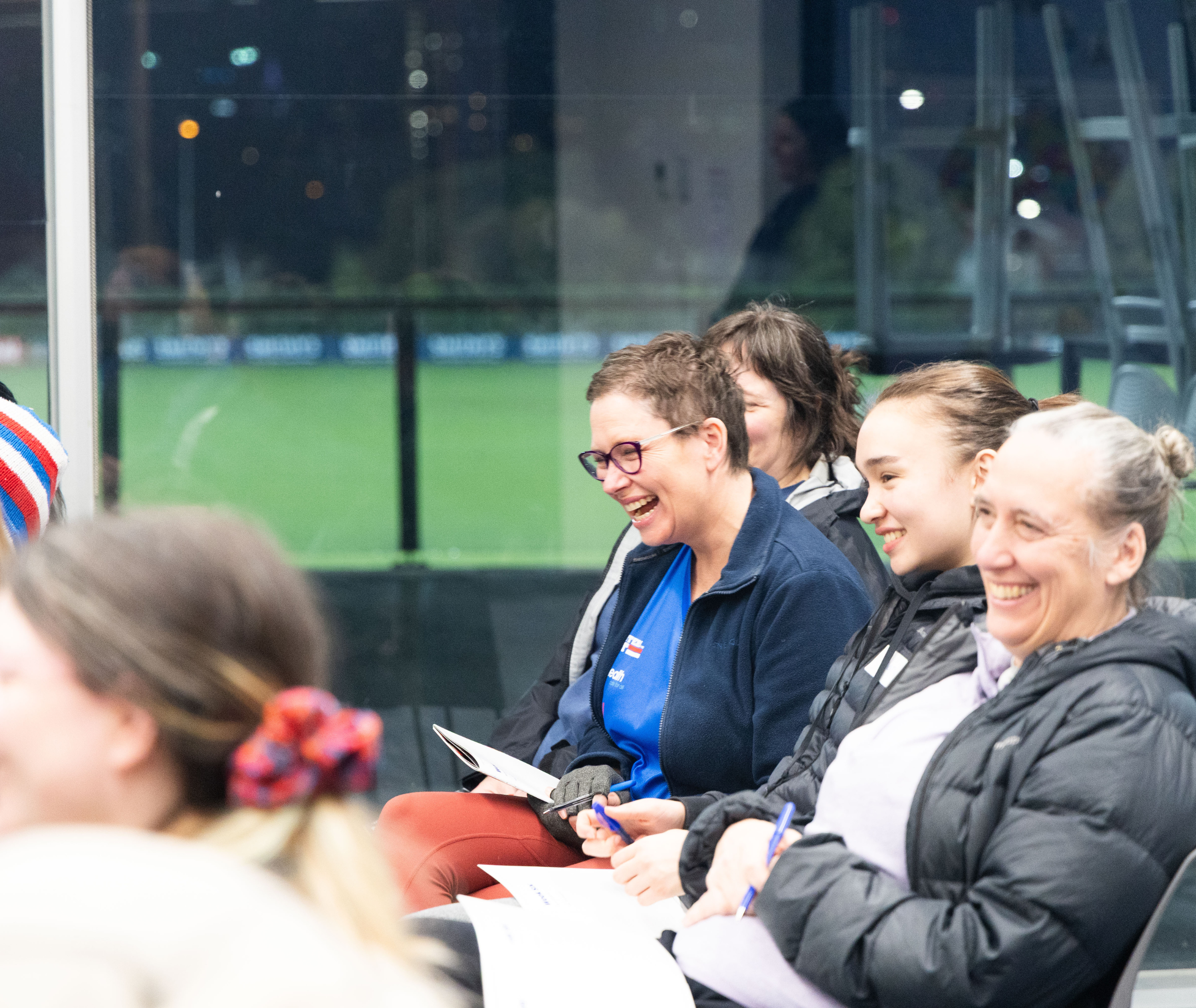
GSA consultants, alongside Sport4All Inclusion Coaches, facilitated 23 Welcome Round sessions across 6 different local government areas: Ballarat, Brimbank, Hobsons Bay, Maribyrnong, Melton and Wyndham, along with an online group.
Designed to meet participants where they were, the sessions offered safe and engaging environments to explore:
Themes of Universal Design and intersectionality were also introduced, prompting discussion on how disability inclusion intersects with age, gender, culture, and language. The delivery style emphasised interaction and personal insight over lecturing, making it easy for people to relate ideas back to their own lives and the communities. It also connected strongly with the Foundation’s vision to create programs that break down stigma, build empathy, and promote shared community responsibility for inclusion.
Each session was led by facilitators with lived experience of disability, a core principle of GSA’s work. Their insights brought honesty, connection and nuance to conversations about access, language and attitudes. This lived-experience leadership reinforced that disability is shaped by physical, social and attitudinal barriers rather than by the individual.
“It’s been really special to be part of the Sons and Daughters of the West programs, supporting people to better understand disability and access. These sessions always reinforce how important it is for all of us to keep learning, listening and growing together,” said Johnny Boland, State Manager – VIC/TAS/SA, Sport4All.

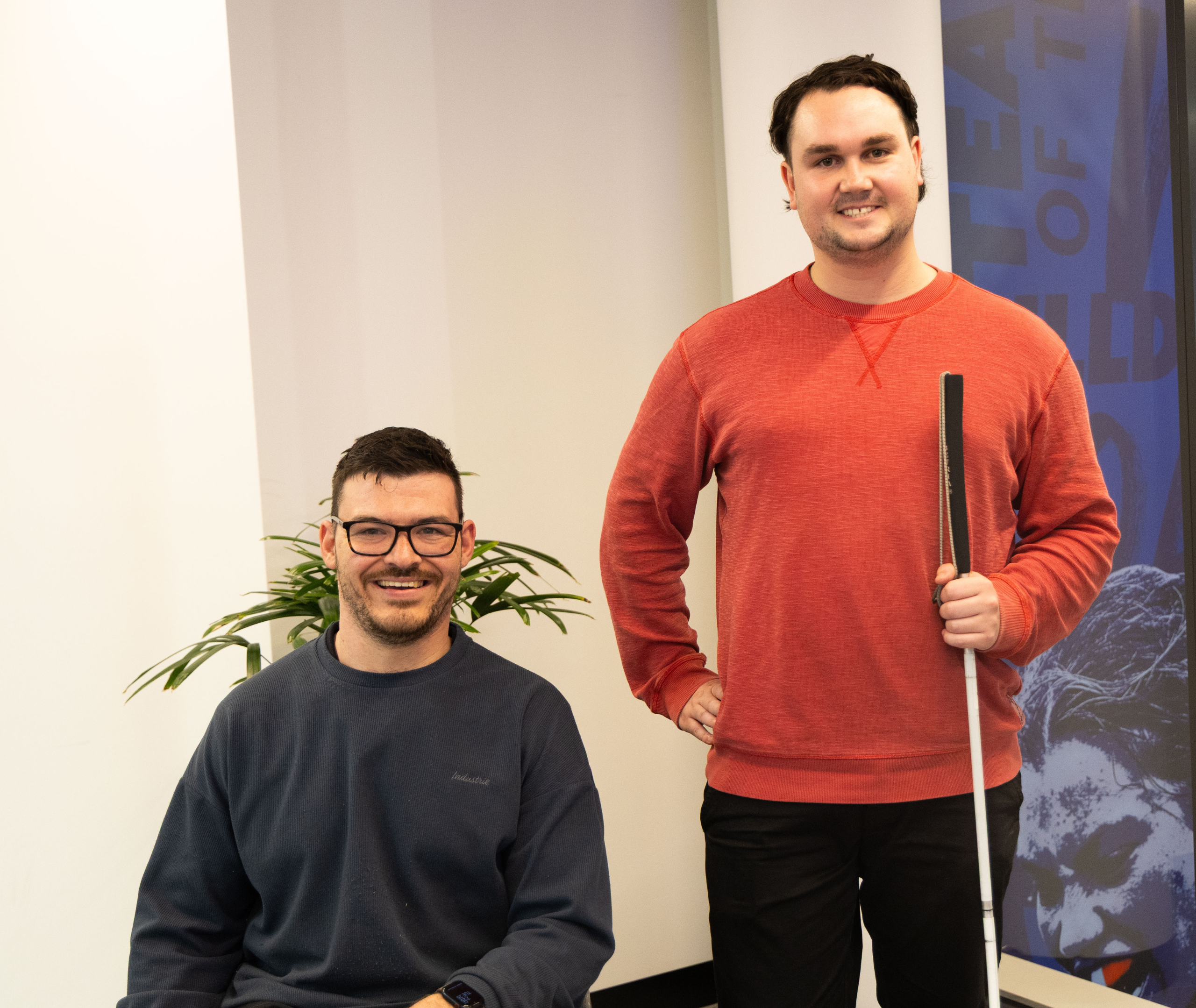
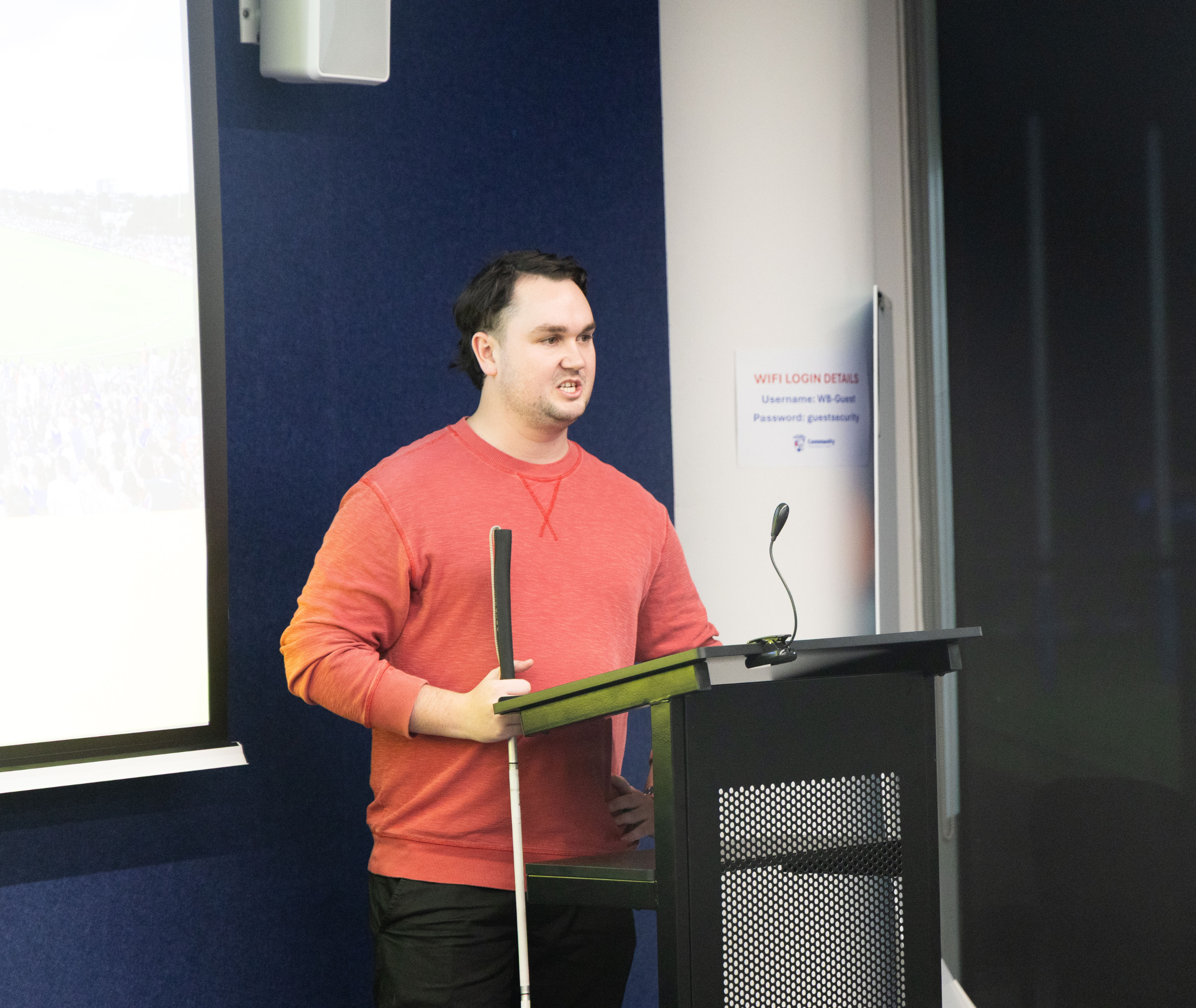

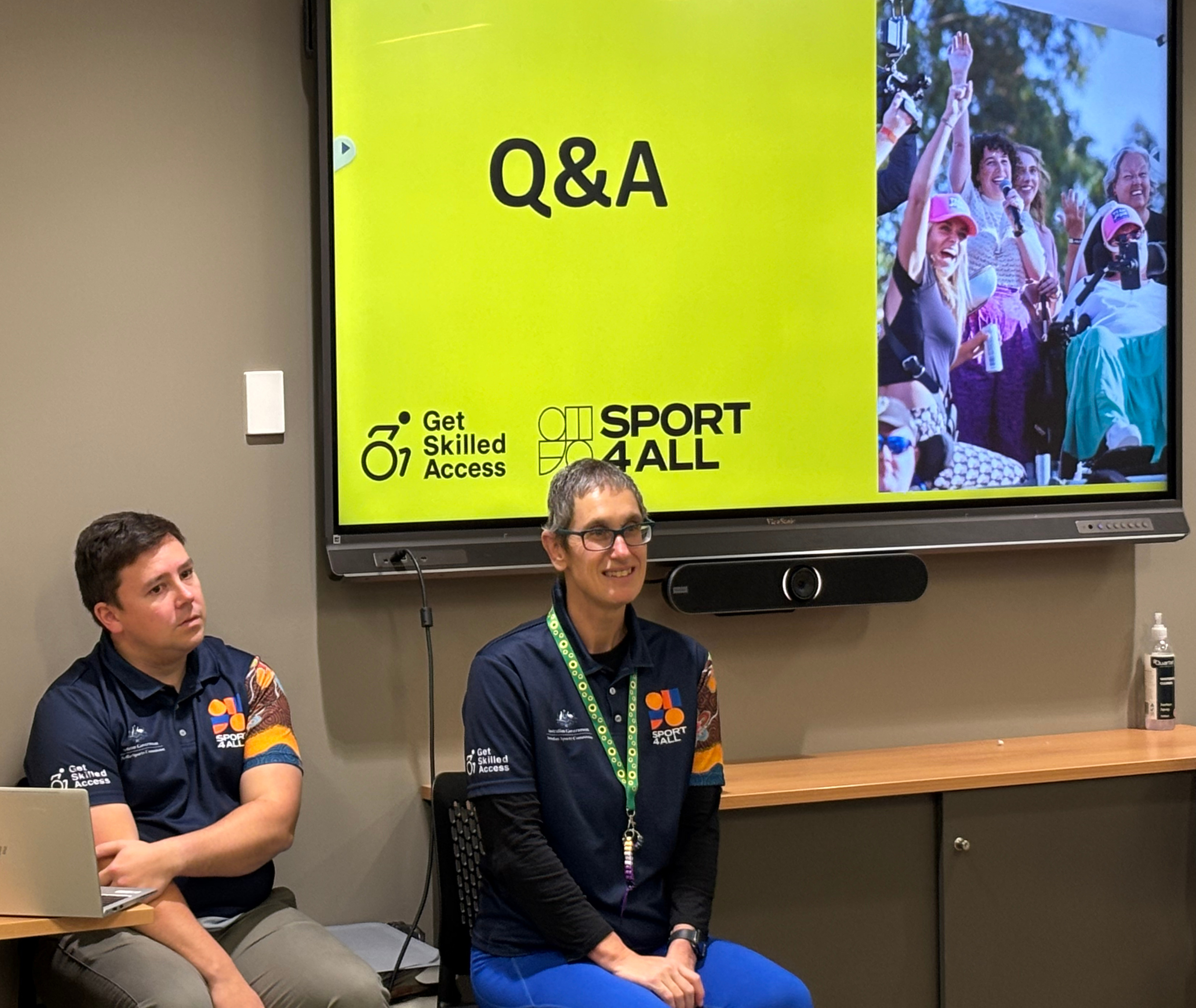
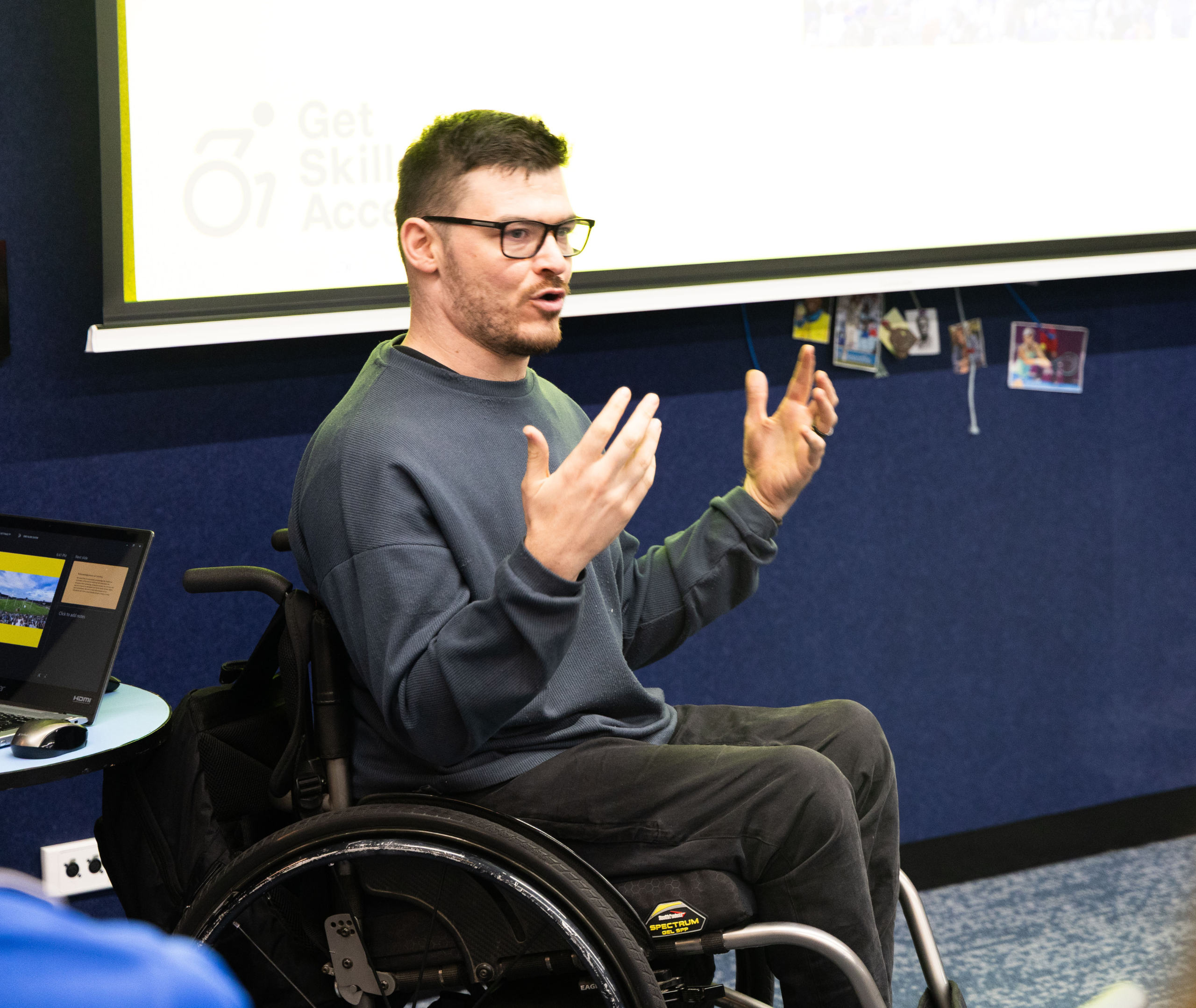
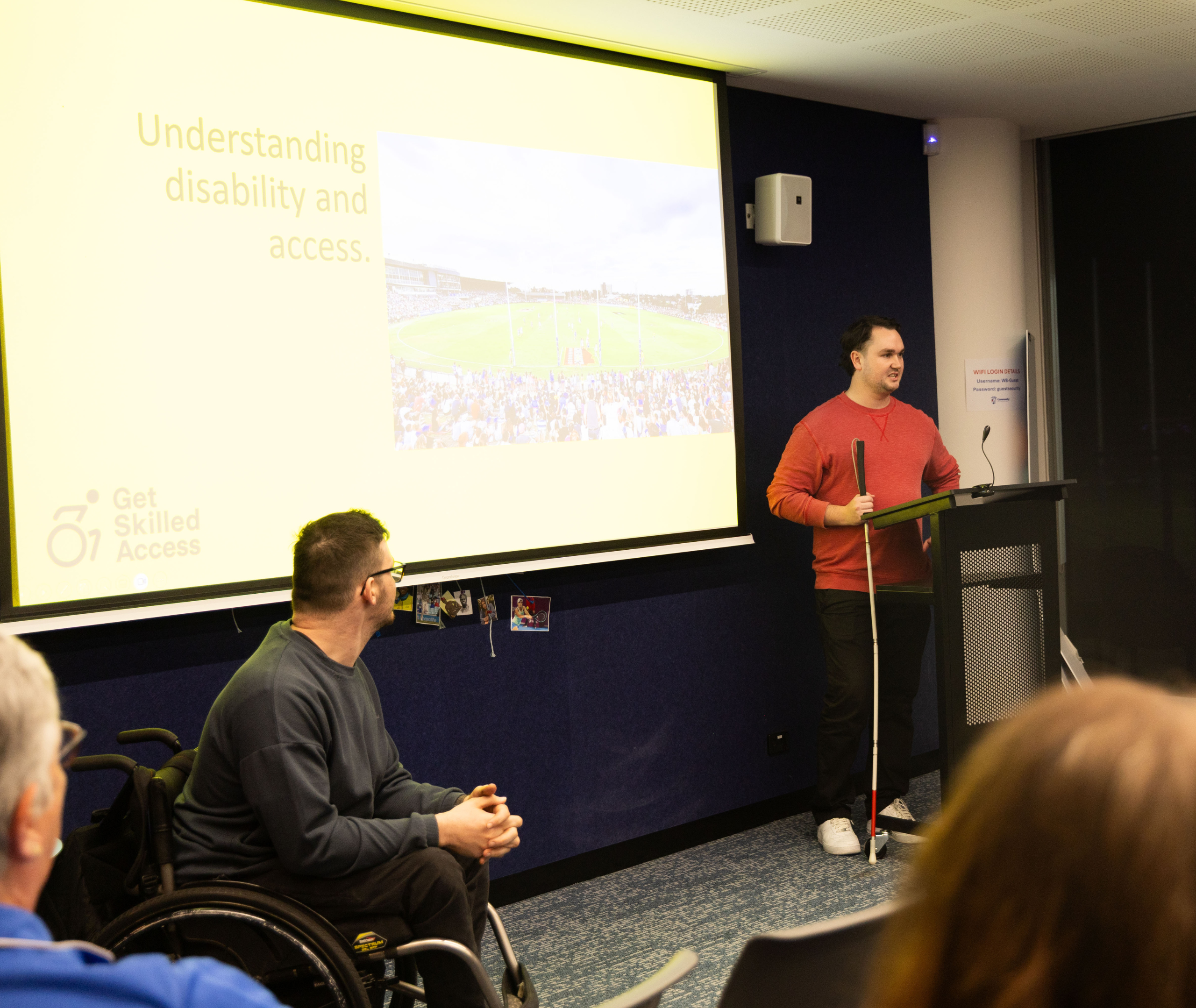
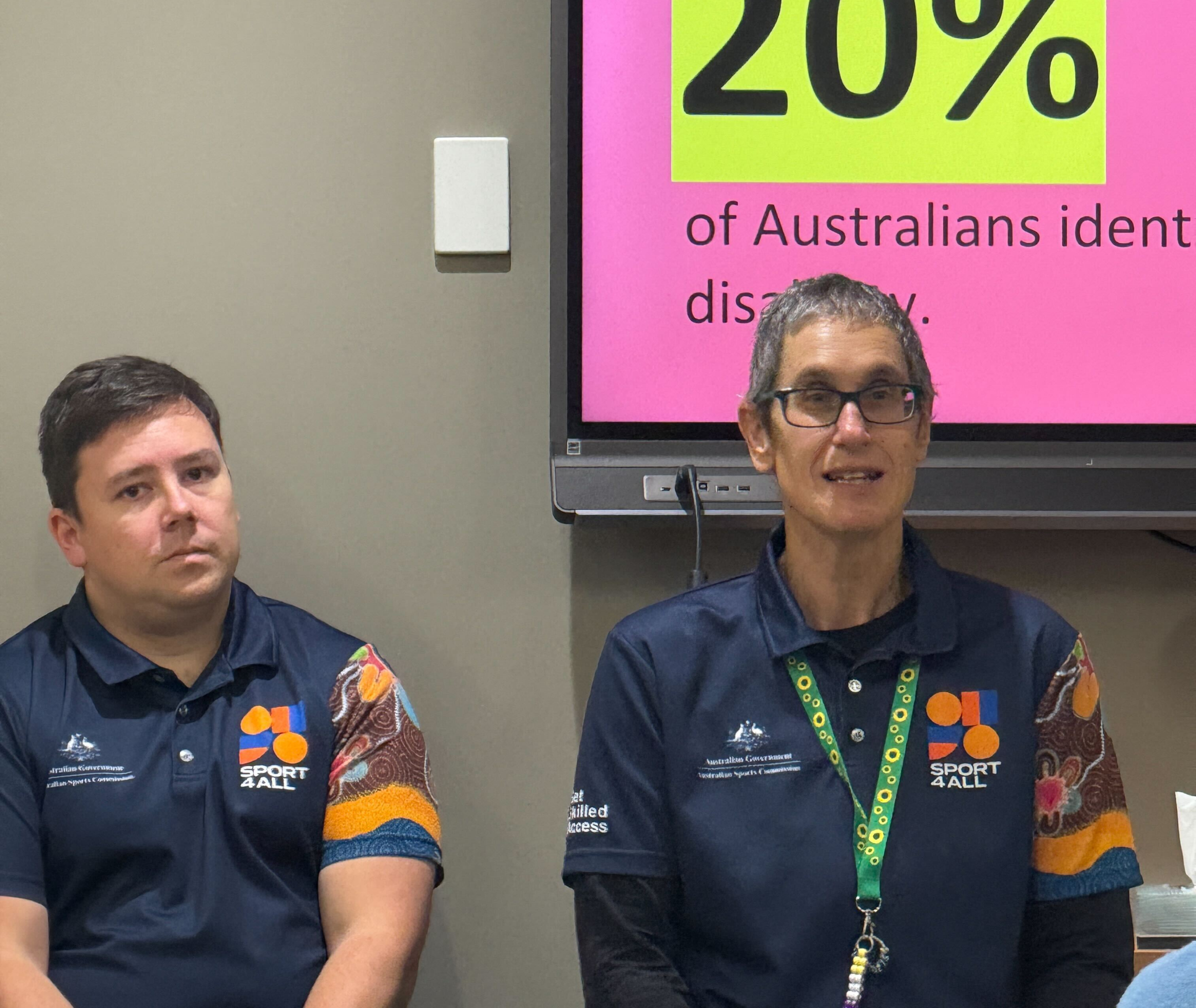
The Sport4All team, played a key role in the delivery of the Welcome Round sessions. As a national program powered by GSA, Sport4All supports local communities to embed disability inclusions in grassroots sport. The connection between Sport4All and GSA meant these sessions brought together consulting expertise with real-world lived experience.
Reflecting on the collaboration, WBCF Program Manager, Leyla Asadi said, “it has been so incredible to have the combined passion and knowledge from GSA and Sport4All as part of this year’s programs. The expert facilitation and approach to calling us into the conversation meant that the groups felt cared for, understood and empowered in what can often be an anxious “topic” for many in the program.”
Their lived experience of disability and reflections on sport and community helped ground the sessions in everyday experience. Participants connected strongly with these stories, gaining greater insight into how small changes in local clubs and services can make a meaningful difference.
This approach strongly resonated with participants. When asked what the most valuable thing they got from the session, a Sons participant reflected on, “Hearing from people with real life experiences that had to deal with life changing events in their life.” While a Daughters participant said, “I found the speakers for the disability awareness session very engaging and informative.”
These sessions not only shifted attitudes – they created space for empathy, understanding, and action.
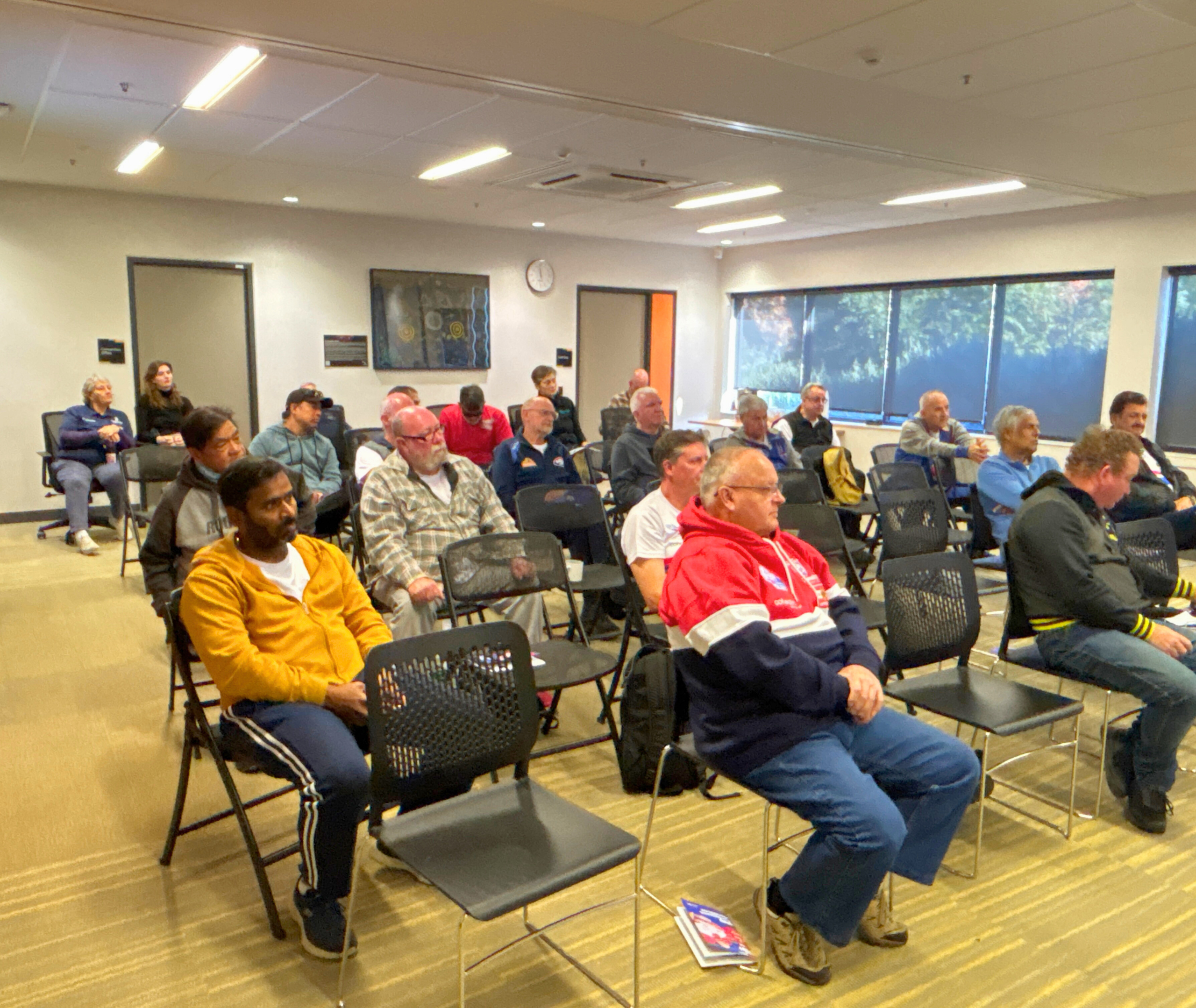
Across both programs, the Welcome Round sessions contributed to meaningful shifts in awareness and confidence. The sessions were attended by 487 participants – 207 from SOTW and 280 from DOTW. These participants left with:
Importantly, 91% of participants agreed or strongly agreed that people in the program value diversity and inclusion. Many reported feeling more aware of others experiences and being better equipped to respond with empathy and respect. This reflected a consistently high level of shared commitment to inclusive community values across both programs. “There were good quick tips, it was great to hear lived experiences, I thought it was really valuable to have open conversations about hard topics” a Daughters participant shared.
For some, the learning extended well beyond the Disability Awareness session itself. “Personally. I’ve enjoyed connecting with other men from my local area. I have difficulty making new friends and connections due to neurodiversity, so this has helped forge those connections.”
Noting the cohorts being hugely diverse across all sites, Asadi reflected that the takeaways were broad and all-encompassing on various levels. “Many of our participants live with disability themselves or are carers for those living with disability. Then there are men who haven’t given this area of life much thought, so it really did provide a platform for all walks of life to bring their own experience or listen to others in the room.”
As GSA continues to support councils, sporting clubs and community programs across Australia, this partnership stands out for its authenticity and impact. Sons and Daughters didn’t just offer a platform; it modelled what inclusive health and community education can look like when organisations work together with shared purpose.
By centring lived experience and removing barriers, this work demonstrated what genuine inclusion looks like in practice, communities where people can participate, contribute and simply Just Be.
Interested in bringing inclusive learning to your team or program?
Explore how our Facilitated Sessions and Inclusion Consulting can support your team.
Want to join the Sons or Daughters of the West community?
Register your interest in joining our Sons of the West program and Daughters of the West program via the Western Bulldogs Community Foundation website.


I understand that my data will be hold securely in accordance with the Privacy Policy